The Benefits of Adding Energy-Conserving Sliding Doors in Your Home
Energy-efficient sliding doors provide a viable option for homeowners seeking to improve their living spaces. These doors not only increase thermal efficiency but also permit for an abundance of natural light, which can transform the ambiance of any room. Their modern design can elevate a home's aesthetic appeal and market value. However, the benefits extend beyond aesthetics and comfort, prompting a closer examination of their overall effect on home efficiency. What factors should homeowners remember?

How Sliding Glass Doors Eliminate Energy Efficiency Difficulties?
Sliding doors, though aesthetically pleasing, serve a significant role in enhancing energy efficiency within homes and commercial spaces. Their design permits for ample natural light, decreasing the need for artificial lighting during the day. This natural illumination not only brightens interiors but also contributes to lower energy consumption.
Furthermore, contemporary sliding doors are frequently fitted with advanced sealing and high-quality glazing, which minimize air infiltration. This prevents air currents and aids in sustaining a stable internal climate, consequently reducing energy expenses.
Moreover, the large glass panels can be constructed to send back heat during the summer and retain warmth in the winter, further helping with energy savings. By incorporating sliding doors into their architecture, homeowners and businesses can achieve a middle ground between aesthetics and sustainability, bringing about a more effective energy footprint while improving the overall ambiance of their spaces.
How Sliding Doors Boost Your Home's Insulation
While many homeowners prioritize visual appeal, the energy-saving advantages of patio doors are equally vital. Thermal sliding doors are constructed to minimize heat transfer, effectively maintaining homes more heated during winter and more refreshing during summer. They often feature frames with multiple chambers and insulated glass, which work together to reduce energy loss.
Additionally, these doors commonly include draft sealing materials that blocks drafts, further enhancing thermal performance. By creating a tighter seal, sliding doors help maintaining a even indoor temperature, cutting down on the dependence on heating and cooling systems. similar article This not just leads to greater comfort but also contributes to reduced energy bills.
Moreover, better insulation helps minimize noise pollution from outside, establishing a calmer domestic space. All things considered, the thermal insulation characteristics of energy-efficient sliding doors deliver tangible advantages that boost the home's energy efficiency while maintaining a pleasant home environment.
Why Sunlight Is Important in Your Home?
Natural light plays a significant role in boosting the appeal and practicality of a home. It produces an appealing setting, allowing rooms to appear more spacious and airy. The availability of daylight can also enhance emotional health and happiness, resulting in a more uplifting space. Research demonstrates that time spent in sunlight can boost work performance and attention, rendering it especially advantageous for home offices.
Additionally, sunlight can decrease energy consumption by minimizing the need for artificial lighting during the day. This not only lowers electricity bills but also diminishes the overall environmental impact. Moreover, homes bathed in natural light often appear more aesthetically pleasing, showcasing interior design elements more effectively. By incorporating eco-friendly sliding doors, homeowners can maximize the influx of natural light while maintaining energy efficiency, ultimately enhancing both comfort and visual appeal in their living spaces.
Boosting Curb Appeal With Sliding Doors
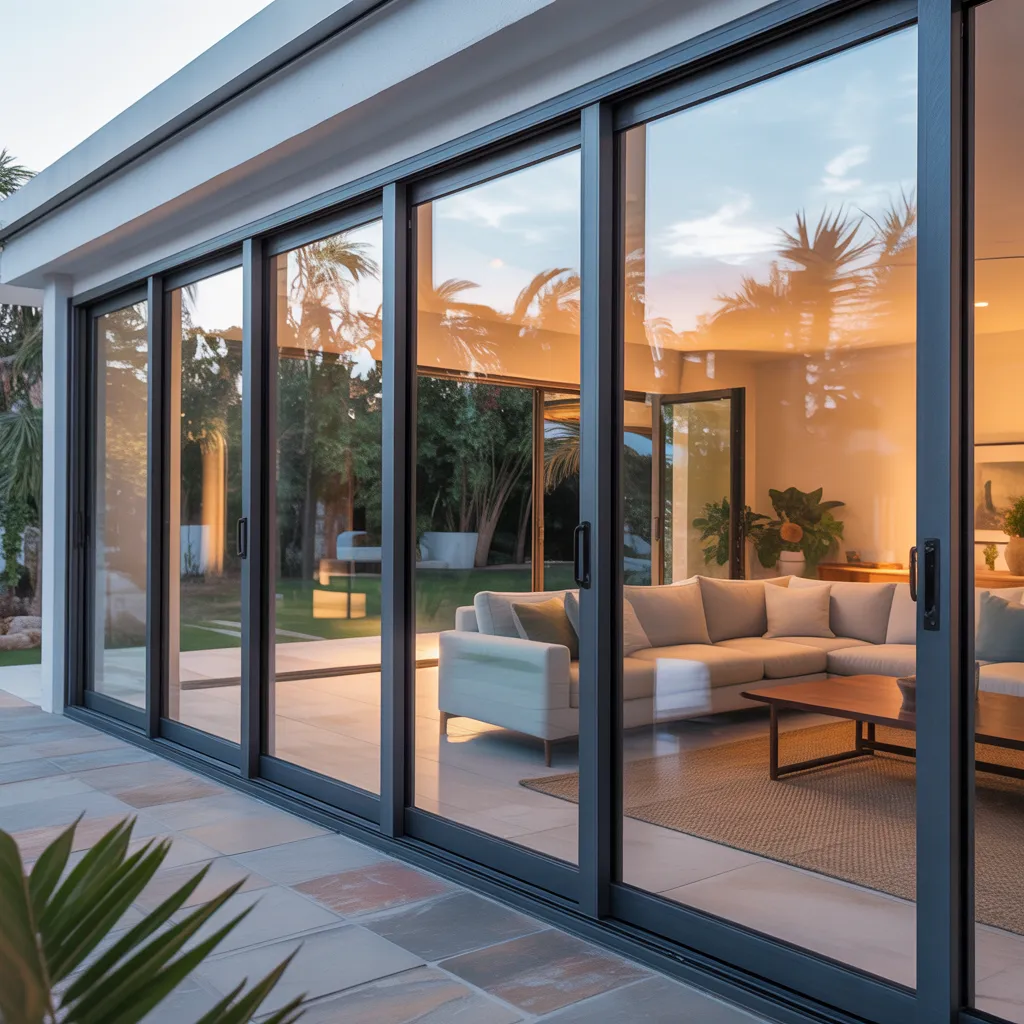
Installing energy-efficient sliding doors can greatly enhance a home's exterior appearance, as they blend practicality with contemporary design. These doors serve as a striking focal point, drawing attention and encouraging passersby to appreciate the home's appearance. Available in multiple design options and colors, energy-efficient sliding doors can complement different architectural features, from modern to traditional.
The large glass panels enable natural light to pour into interior spaces, producing an appealing atmosphere that extends the living area outside. This fluid transition boosts the home's overall appeal, making it feel larger and more spacious. Moreover, homeowners can pick options that mirror their personal style, strengthening their unique identity.
Moreover, the polished contours and uncluttered design of sliding doors establish a modern aesthetic, making the property more attractive to potential buyers. By investing in energy-efficient sliding doors, homeowners not only refine aesthetics but also enhance the property's value and marketability.
Selecting Options for Energy-Saving Sliding Doors
Choosing the right options for energy-saving sliding doors is crucial to maximizing their performance and visual appeal. Popular choices consist of vinyl, fiberglass, and wood, each providing distinct benefits. Vinyl is recognized for its excellent insulation characteristics and low maintenance needs, rendering it a preferred option. Fiberglass provides strength and resilience to warping, while also delivering strong energy efficiency. Wood, though visually pleasing, often demands more maintenance and may need additional insulation to meet energy standards.
The selection of glass treatment also serves as a crucial role. Double or triple-pane glass with Low-E treatments can greatly minimize heat transfer, enhancing energy efficiency. Furthermore, selecting frames with thermal breaks can further improve thermal insulation. Ultimately, a thorough evaluation of material choices, combined with energy-saving features, ensures that sliding doors not only improve the home's appearance but also contribute to lower energy costs and increased comfort.
Steps for Installing High-efficiency Sliding Doors
Installing high-efficiency sliding doors requires careful planning and execution to guarantee optimal performance and longevity. First, the existing door frame must be measured precisely to ascertain a proper fit. The removal of the old door should be done with caution, avoiding damage to the surrounding structure. Once the area is prepared, the new sliding door can be positioned into the frame. Confirming that the door is straight and plumb is essential; shims may be necessary for adjustments. After securing the door, proper insulation around the frame is fundamental to prevent air leaks. The installation should include weather stripping to enhance energy efficiency. Finally, the door's operation should be tested to verify seamless sliding and secure locking mechanisms. This methodical approach not only enhances energy efficiency but also contributes to the visual appeal and functionality of the home.
Essential Techniques for Maintaining Sliding Doors
Proper installation of energy-efficient sliding doors sets the basis for their durability, but continuous maintenance is just as crucial to confirm peak performance. Regular cleaning is necessary; tracks should be emptied of dirt and debris to prevent blockage and guarantee seamless functioning. Homeowners should examine the weatherstripping regularly for any signs of deterioration or harm, changing it as required to maintain thermal performance.
Using a silicone spray to lubricate the cylinders and rails can improve work and lessen wear. Also, it is wise to check the position of the doors; misalignment may cause gaps that affect energy efficiency. Also, checking the glass for cracks or breaks can help in avoiding further damage and energy loss. Following these best practices helps homeowners to extend the lifespan of their sliding doors while maximizing their energy-saving benefits. Routine maintenance improves aesthetics and helps overall home comfort.
Common Questions Asked Regularly
What Are the Typical Costs of Energy-Saving Sliding Doors?
Usual prices for eco-friendly sliding doors span $800 to $3,000, based on materials, size, and installation. Property owners should consider long-term savings on power costs when considering their financial decision in these doors.
In What Ways Do Sliding Doors Vary from Traditional Doors Regarding Thermal Efficiency?
Sliding doors typically provide excellent energy efficiency versus traditional doors, primarily due to their sophisticated insulation and sealing technologies. This design reduces air leaks, improving thermal performance and reducing heating and cooling costs in homes.
Is it Possible to Modify Current Doors for Enhanced Energy Efficiency?
Retrofitting existing doors for improved energy efficiency is achievable through weather stripping, adding insulation, or fitting energy-efficient glass. These improvements can improve insulation and reduce energy loss, making older doors increasingly efficient without complete replacement.
Are Energy-Efficient Sliding Doors Authorized for Government Incentives or Rebates?
Energy-efficient sliding doors might qualify for tax credits or rebates, based on local and federal programs. Homeowners should check specific eligibility requirements and consult with tax professionals to increase potential financial benefits.
What Coverage Options Are Provided for Energy-Efficient Sliding Doors?
Multiple coverage options for energy-saving sliding door systems consist of manufacturer coverage options, which often cover defects for 10-20 years, and lifetime protection plans that may cover particular parts. Property owners should examine terms to ensure sufficient protection against potential problems.